Climbing Ascender
Climbing ascenders and descenders are common safety equipment used in mountaineering, rock climbing, and aerial work. They serve as a crucial connection between the rope and the user, helping them effectively control their speed of ascent and descent, ensuring safety. These devices are often used in conjunction with other equipment, such as a safety harness and rope, to provide protection.
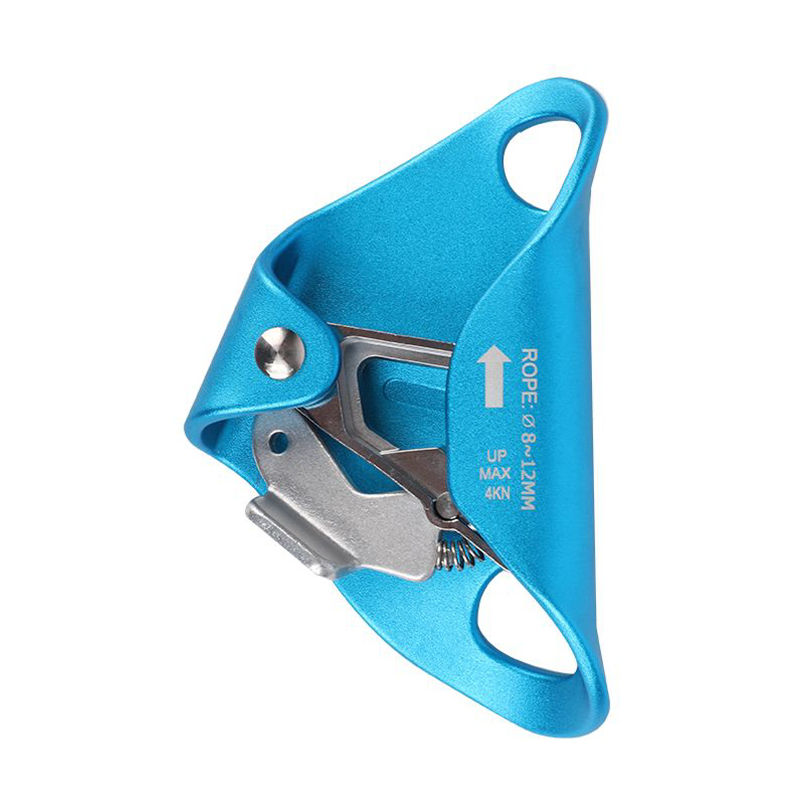
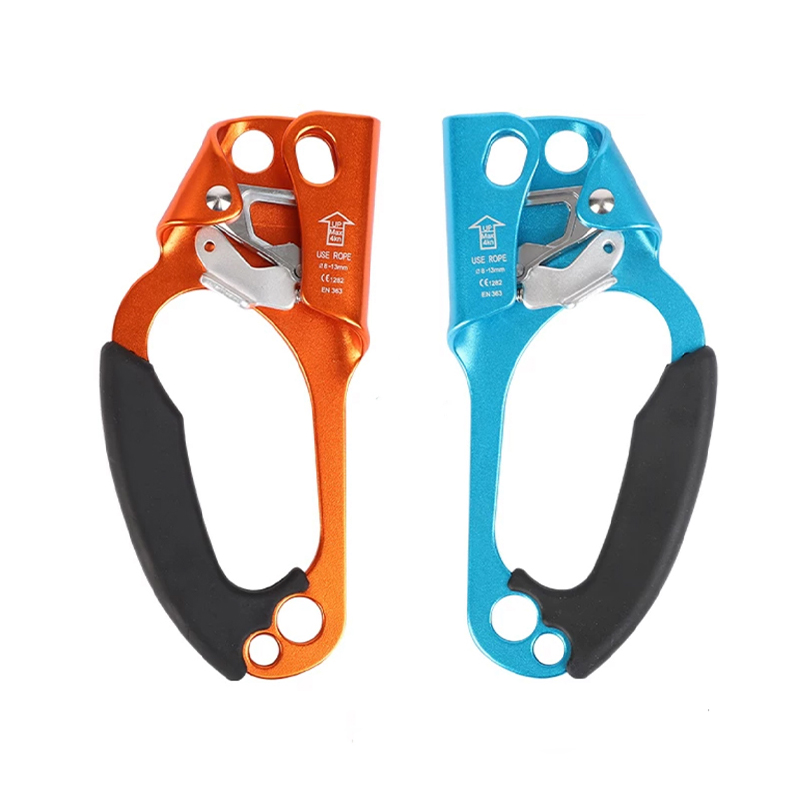
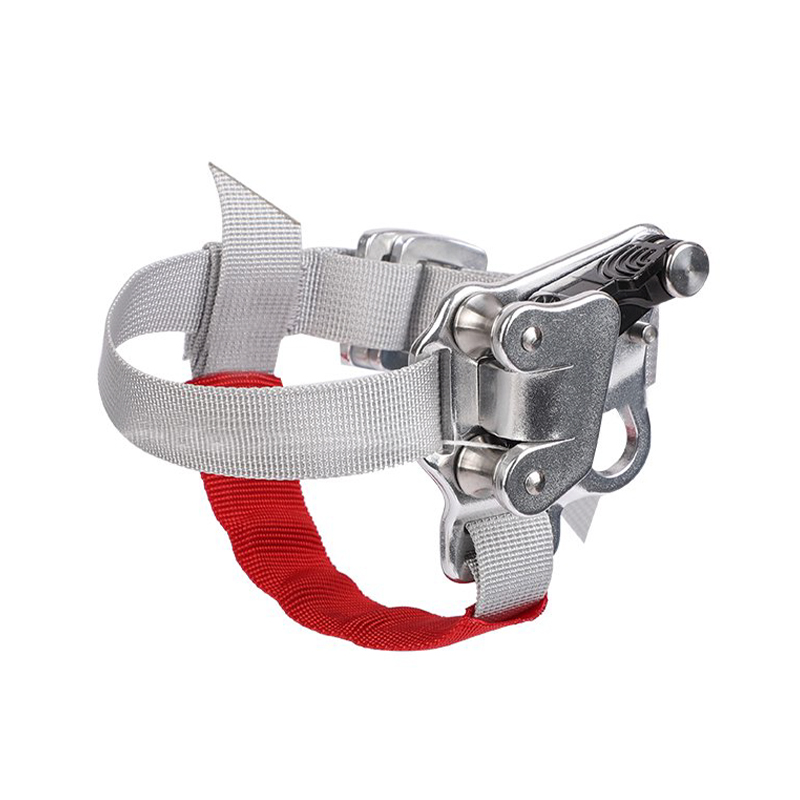
A climbing ascender is a device designed to assist climbers in vertical ascent. Its core function is to lock the rope through friction, allowing the user to ascend against gravity. When using an ascender, the climber secures the ascender to their harness and applies force to slide it upward, allowing them to ascend quickly. This type of device effectively reduces rope resistance during ascent, making vertical ascent easier for climbers.
Ascenders work through an internal locking mechanism. When the user pulls on the ascender, friction is generated against the rope, locking the ascender in place. When the user applies upward force, the lifter slides up the rope. When the user stops applying force, the lifter automatically locks the rope through friction, preventing backsliding or falling. Therefore, lifters not only increase efficiency but also ensure safety during the climbing process.
Climbing lifters can be divided into several main types based on their usage and technology. Manual lifters are the most common type. They are usually made of metal and resemble pliers. The user manually clamps the rope to secure it. This type of lifter is simple and easy to operate, making it widely used in climbing, mountaineering, and other aerial work.
Another common type of lifter is the geared lifter, which features built-in gears and a locking system that can be operated by rotating it. This design is more advanced than manual lifters, providing more precise ascent control and is often used in difficult or technical mountaineering activities.
Automatic lifters are more complex and often feature electronic control systems or automatic locking mechanisms. They automatically control the ascent of the rope through mechanical or electronic means, without requiring much manual intervention. Although automatic lifts are relatively expensive, their convenience and safety have led to their widespread use in professional rescue and aerial work.
The design and material selection of a lift directly impact its performance and service life. Common materials include aluminum alloy and stainless steel. Aluminum alloy is lightweight and corrosion-resistant, making it suitable for high-intensity outdoor activities such as climbing and mountaineering. Aluminum alloy lifts not only provide sufficient strength but also reduce the weight of the equipment itself, making ascent easier for users.
Stainless steel, with its higher corrosion resistance and durability, excels in extreme environments. It is widely used in equipment subject to prolonged and intensive use, especially in high-temperature, humid, or saltwater environments. Although heavier than aluminum alloy equipment, stainless steel lifts' durability and corrosion resistance make them the preferred choice for some high-intensity work situations.
Climbing Descender
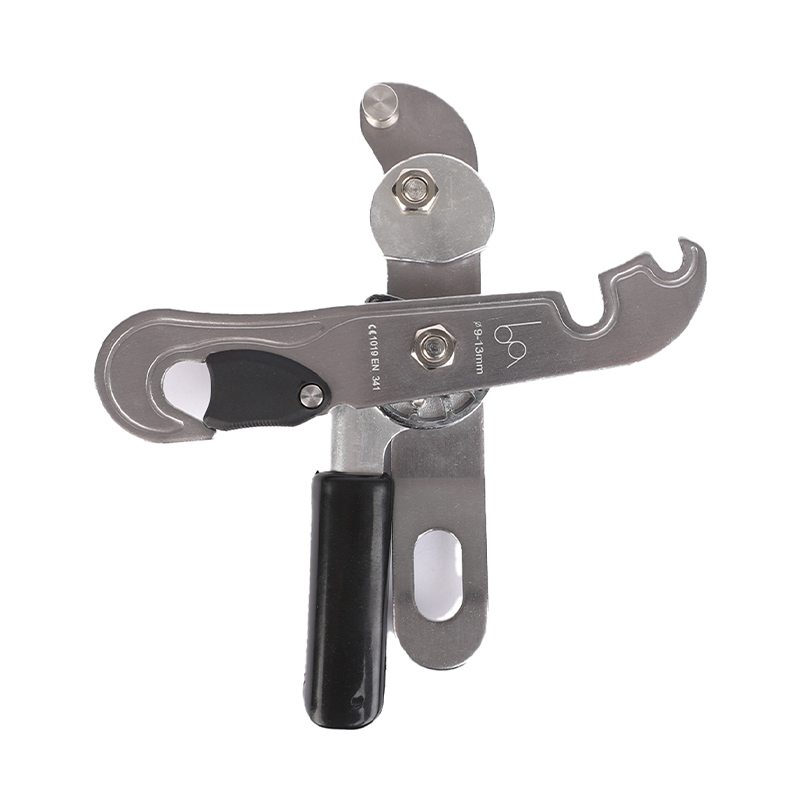
The primary function of a climbing descender is to control the descent speed, allowing users to descend smoothly and safely from heights. Unlike an ascender, a descender works by controlling the speed of the rope's movement through friction, thereby slowing the descent and preventing sudden loss of control due to gravity. A descender creates an appropriate amount of friction between the rope and the descender, ensuring a smooth and controlled descent.
In practice, a descender controls descent speed by adjusting the friction created by the rope as it passes through the descender. Typically, the user modulates the friction by changing the rope's threading or adjusting the device's position to control descent speed. Descenders play a vital role in climbing, mountaineering, aerial work, and rescue missions, providing essential safety and enhancing operational precision.
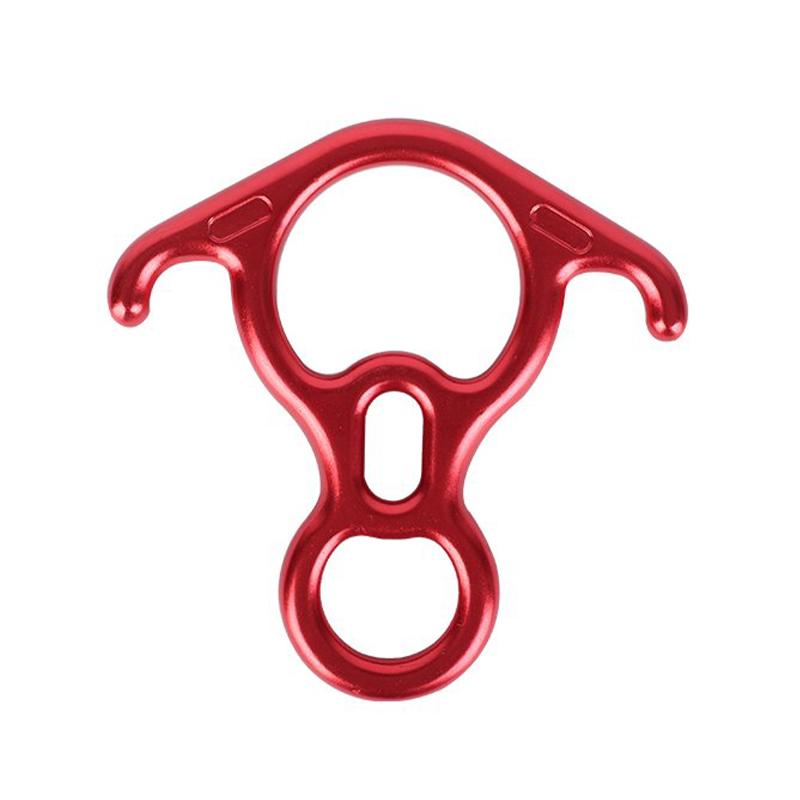
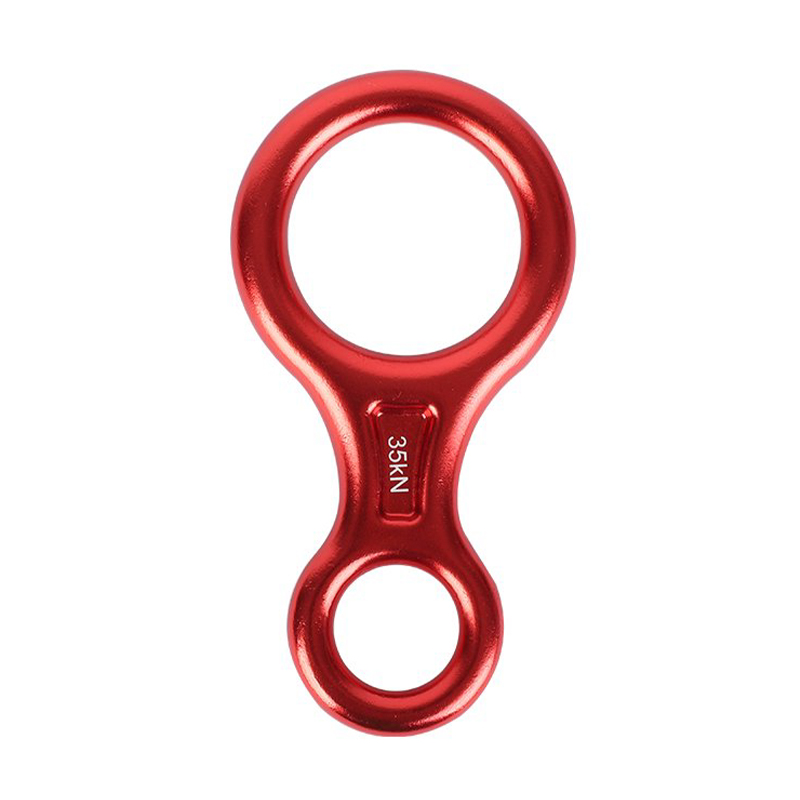
Climbing descenders can be categorized into several types based on their operating principle and design. Friction descenders, such as the figure-eight ring and ATC, are one of the most common types. Friction descenders, such as the ATC and ATC, slow descent speed by creating friction between the rope and the descender. Users can adjust the rope's layout to alter friction and thus control descent speed. This type of equipment is simple to operate and suitable for a variety of mountaineering and climbing activities.
Another type of descender is a self-locking descender, which features an automatic locking mechanism. This mechanism automatically locks the rope in the event of sudden excessive tension or a sudden descent, preventing loss of control. Self-locking descenders are particularly useful for activities requiring extreme safety and precise control, and are particularly common in aerial work and emergency rescue operations.
Descenders are made of similar materials to ascenders, primarily aluminum alloy and stainless steel, with other composite materials sometimes also used.
Aluminum alloy, due to its lightness and corrosion resistance, is suitable for general mountaineering and climbing activities. It provides sufficient strength while ensuring the descender's weight does not become an additional burden.
Stainless steel, due to its extreme corrosion resistance and strength, is suitable for industrial-grade aerial work and specialized environments, such as construction and firefighting. Although stainless steel is heavier, its superior durability and stability make it indispensable in these high-intensity situations.
Key Points for Using Climbing Hoists and Descenders
Proper use of ascenders and descenders is fundamental to safety in high-risk climbing and aerial work. To maximize safety, climbers and operators must strictly adhere to equipment operating procedures, ensuring all equipment is securely connected and each step is performed according to standard procedures. In particular, when using a sling, it is crucial to ensure that the rope is securely threaded through the sling and that the equipment is fully locked to prevent accidental slippage during the climb.
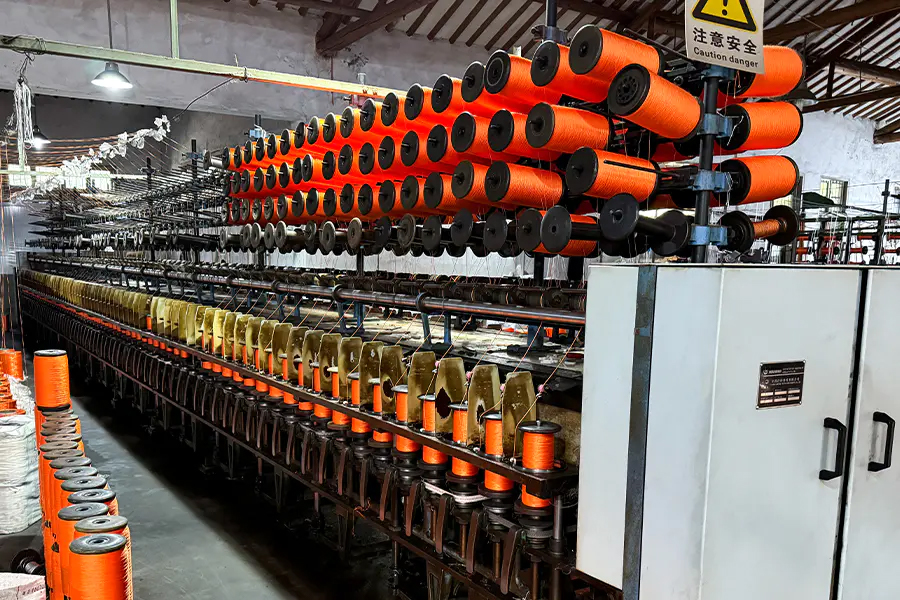
Jiangsu Senmao Safety Technology Co., Ltd., a company specializing in safety equipment, is committed to ensuring the safety of all its products. With a comprehensive production line and manufacturing team, all products undergo rigorous quality control procedures to ensure compliance with international safety standards. To ensure the safety of its slings and descenders, Jiangsu Senmao Safety Technology Co., Ltd. uses high-quality aluminum alloy and stainless steel, employs sophisticated manufacturing processes, and undergoes multiple inspections to ensure high product reliability and safety.
Jiangsu Senmao Safety Technology Co., Ltd. also places particular emphasis on product traceability. The production process for each sling and descender is conducted in strict accordance with safety standards, and all production steps are traceable, ensuring that product quality and safety meet industry standards. This allows users to use Jiangsu Senmao Safety Technology Co., Ltd. equipment with confidence and ensure their own safety.
Regular maintenance and inspection are essential to ensure optimal performance of lifters and descenders. With increased use, friction components may wear out, affecting efficiency and safety. Equipment maintenance is particularly important during frequent height work or extreme sports.
Jiangsu Senmao Safety Technology Co., Ltd. attaches great importance to product maintenance and quality control. Through careful material selection and strict supervision during the production process, Jiangsu Senmao Safety Technology Co., Ltd. ensures that each lifter and descender maintains efficient and safe performance even after long-term use. Jiangsu Senmao Safety Technology Co., Ltd.'s full product chain third-party certification also ensures the safety and reliability of its equipment. Whether it's climbing activities or high-risk industrial operations, Jiangsu Senmao Safety Technology Co., Ltd.'s products provide long-lasting protection.
For users, regular cleaning of equipment and inspection for wear, especially the friction surfaces where the rope passes, are crucial for ensuring proper operation. If cracks or obvious signs of wear are detected, the equipment should be promptly replaced or repaired to prevent accidents.
When choosing the appropriate ascender and descender, it's important to consider the intended use, the environment, and personal needs. For beginners or casual climbers, simple, easy-to-use manual ascenders and friction descenders are generally sufficient. For more demanding, professional climbing activities, self-locking descenders or electric descenders are more suitable. These devices offer more precise control and ensure user safety in extreme conditions.
Jiangsu Senmao Safety Technology Co., Ltd. has a strong R&D team and customization capabilities. We offer OEM and ODM services to meet various custom sizes and shapes. Whether you're looking for ascenders and descenders for specific applications or products requiring additional safety features, Jiangsu Senmao Safety Technology Co., Ltd. can provide professional, customized solutions. Jiangsu Senmao Safety Technology Co., Ltd.'s entire supply chain is third-party certified, which not only proves the reliability of its products but also ensures their safe use in high-risk environments.